

By: Warren Lucas
A recent study in the American Journal of Preventive Cardiology (Calkins et al., 2026) provides compelling 1-year clinical evidence on how telehealth-delivered metabolic care centered on a therapeutic ketogenic diet impacts estimated long-term cardiovascular risk. The study evaluated 120 adults with overweight or obesity participating in a continuous-care telehealth program. Using the American Heart Association’s updated PREVENT (Predicting Risk of Cardiovascular Disease EVENTs) equations, researchers assessed predicted 10-year cardiometabolic outcomes alongside comprehensive biomarker changes.
Key 1-year clinical outcomes
Across 12 months of continuous ketogenic care, participants demonstrated profound improvements in primary metabolic and glycemic metrics:
- Weight & Body Mass Index: Median weight loss was 12.2%, corresponding to an average BMI reduction of 5.6 kg/m².
- Blood Pressure Control: Systolic blood pressure dropped by a median of 10.7 mmHg.
- Atherogenic Dyslipidemia: Triglycerides decreased by 34 mg/dL while HDL-C increased by 5.1 mg/dL.
- Glycemic Control & Remission: HbA1c declined significantly; 13 participants achieved full Type 2 Diabetes remission (reducing active T2D cases from 23 to 10).
- Medication De-prescribing: 9 patients were successfully de-prescribed off antihypertensive medications.
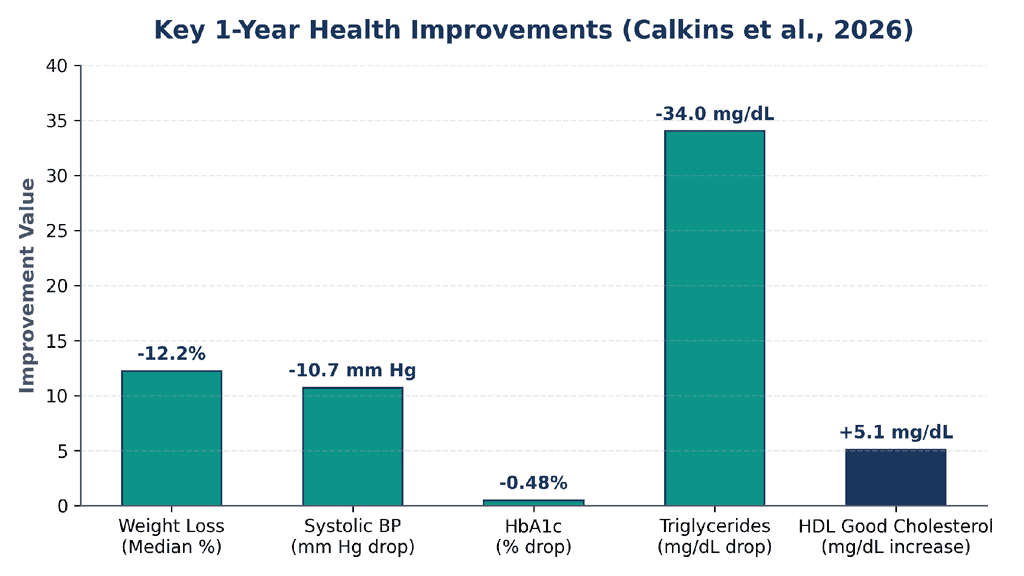
Figure 1: Comprehensive 1-year clinical improvements among study participants on a telehealth ketogenic care program (Calkins et al., 2026).
No changes in LDL-C
Despite widespread clinical assumptions that unrestricted dietary saturated fat in ketogenic therapies elevates low-density lipoprotein cholesterol (LDL-C), the trial demonstrated no meaningful overall change in LDL-C levels:
- Mean Change: LDL-C changed by an average of -2.4 mg/dL over 12 months.
- Median Change: Individual median change in LDL-C was 0.0 mg/dL.
- Net Clinical Context: Even among individual participants experiencing subtle LDL-C variations, parallel reductions in blood pressure, visceral adiposity, and glycemic load produced a net reduction in predicted cardiovascular risk.
PREVENT 10-year cardiovascular risk reductions
Evaluating patients through the multi-organ AHA PREVENT risk model revealed substantial overall risk reductions across all cardiovascular endpoints:
- Total CVD Risk: 28% relative reduction in 10-year total cardiovascular disease risk.
- Atherosclerotic CVD (ASCVD): 29% relative reduction in 10-year ASCVD risk.
- Heart Failure (HF) Risk: 42% relative reduction in 10-year heart failure risk.
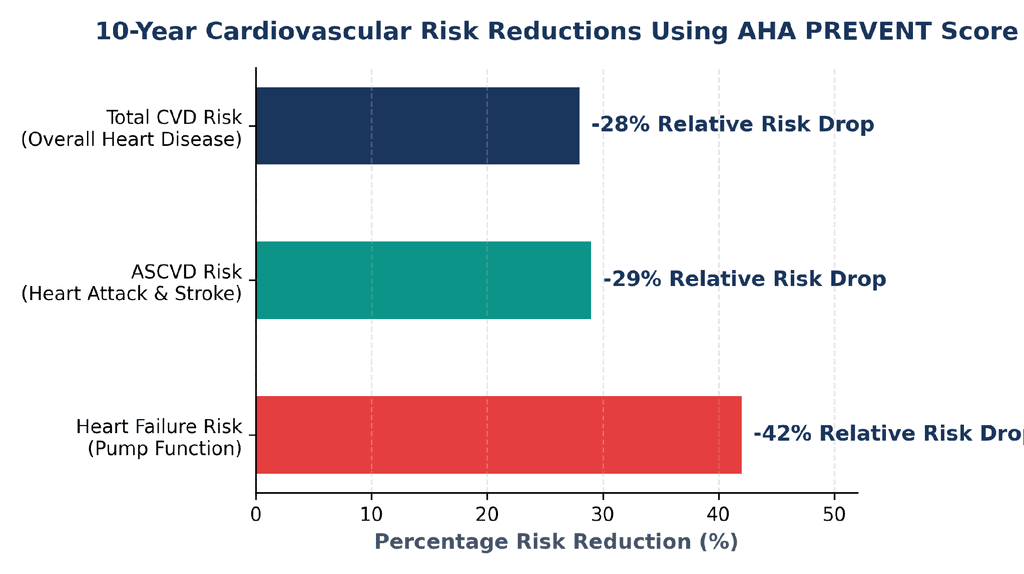
Figure 2: Relative reductions in 10-year cardiovascular, arterial, and heart failure risk modeled by AHA PREVENT equations.
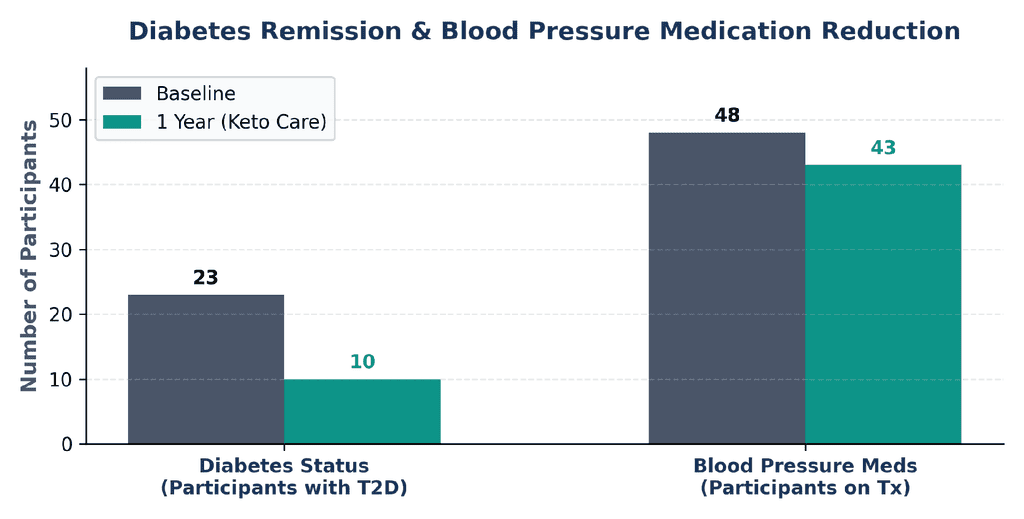
Figure 3: Reductions in active diabetes diagnoses and blood pressure medication reliance after 1 year.
Key Clinical Takeaways
- Comprehensive risk over single biomarkers: Multifactorial risk engines like PREVENT capture the net cardiometabolic benefit of ketogenic therapy better than isolated lipid panels.
- Sustained remission and medication reduction: Telehealth-supported ketogenic interventions deliver meaningful 1-year T2D remission and safe de-prescribing of blood pressure medications.
- Cardiovascular safety profile: Concerns regarding ketogenic nutrition exacerbating cardiovascular risk are unsubstantiated by 1-year continuous care data showing significant net risk reduction.
Reference
Calkins, M., Buchanan, L., Curtis, K., Kalayjian, T., Richardson, C., Saner, E. M., & Soto-Mota, A. (2026). One-year change in PREVENT-estimated cardiovascular risk during telehealth metabolic care centered on a therapeutic ketogenic diet. American Journal of Preventive Cardiology, 102087. https://doi.org/10.1016/j.ajpc.2026.102087